
Daily Brief
What's at your feeder this week: Nov 16 to Nov 22
By the Backyard Birds editors · 16 Nov 2026
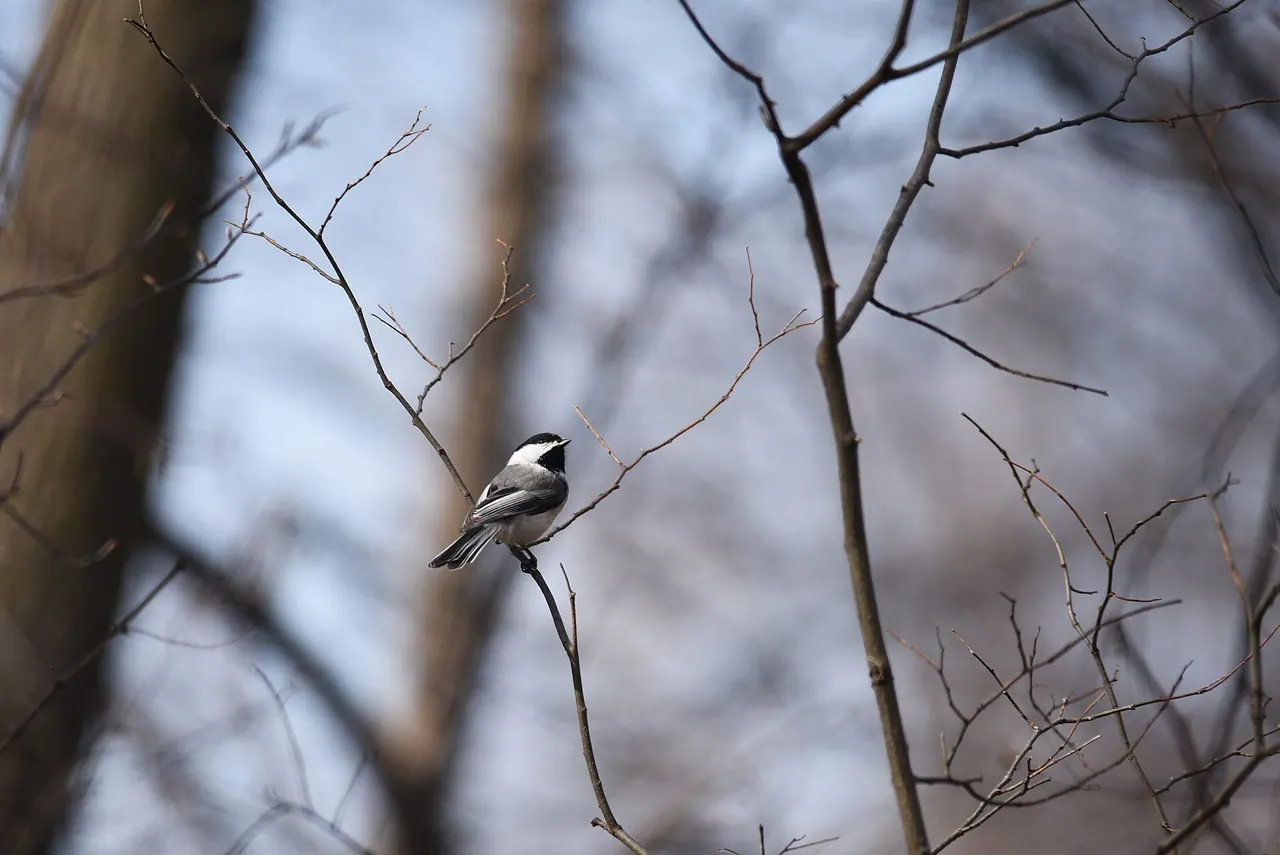
Late November is when winter flocks settle in and feeder visits grow steady. More northern sparrows and finches have arrived since last week, and natural seed in gardens and fields matters more than ever.
Northeast
Look for Black-capped Chickadees, Blue Jays, White-throated Sparrows and American Goldfinches in their dull winter colors.
Watch for: American Tree Sparrows under the feeders. Look for a rusty cap, a gray face and a small dark spot in the middle of a plain breast.
Southeast
Look for Carolina Chickadees, Red-bellied Woodpeckers, Mourning Doves and American Goldfinches.
Watch for: White-throated Sparrows scratching in the leaves near shrubs. Look for a white throat patch and, on many birds, a yellow spot between the eye and bill.
Midwest
Look for Black-capped Chickadees, White-breasted Nuthatches, House Finches and Mourning Doves.
Watch for: Redpolls in the northern Midwest in some winters. Look for a small streaky finch with a red forehead and a tiny black chin.
Plains & Mountain
Look for Black-capped Chickadees, Downy Woodpeckers, American Goldfinches and, in mountain yards, Mountain Chickadees.
Watch for: Northern Flickers at the suet. Look for a large brown woodpecker with a black bib and a white rump that flashes when it flies.
Southwest
Look for House Finches, Verdins, Canyon Towhees and, in desert yards, Gila Woodpeckers.
Watch for: Pyrrhuloxias in southern Arizona and New Mexico yards. Look for a gray cousin of the cardinal with a red face, a red-tipped crest and a stubby yellow bill.
Pacific
Look for Spotted Towhees, Fox Sparrows, House Finches and Anna's Hummingbirds at nectar feeders, from Washington to California.
Watch for: Varied Thrushes in wooded yards from western Washington to northern California. Look for a robin-sized bird with an orange eyebrow and a dark band across the chest.
This week's tip: leave the seed heads standing
Virginia DWR says seed heads from plants like black-eyed Susan, bergamot and blazing star feed birds through the winter. The standing stems also give them shelter from cold winds.
UNH Extension adds that finches, sparrows, chickadees, juncos and jays all forage in them. Clear out any diseased growth now, and cut the rest back in spring.
Try Merlin
Not sure what you're seeing? Merlin, a free app from the Cornell Lab, can help you ID a bird by photo or sound. Try Merlin
Sources
- Not Dead Yet!, Virginia DWR
- Should perennials be cut back in fall?, UNH Extension
- eBird, to see what's been reported near you
- BirdCast, for this week's migration forecast
Photo: "Black-capped chickadee" by Courtney Celley, U.S. Fish and Wildlife Service, via Wikimedia Commons, public domain
