
Daily Brief
What's at your feeder this week: Nov 1 to Nov 7
By the Backyard Birds editors · 1 Nov 2026
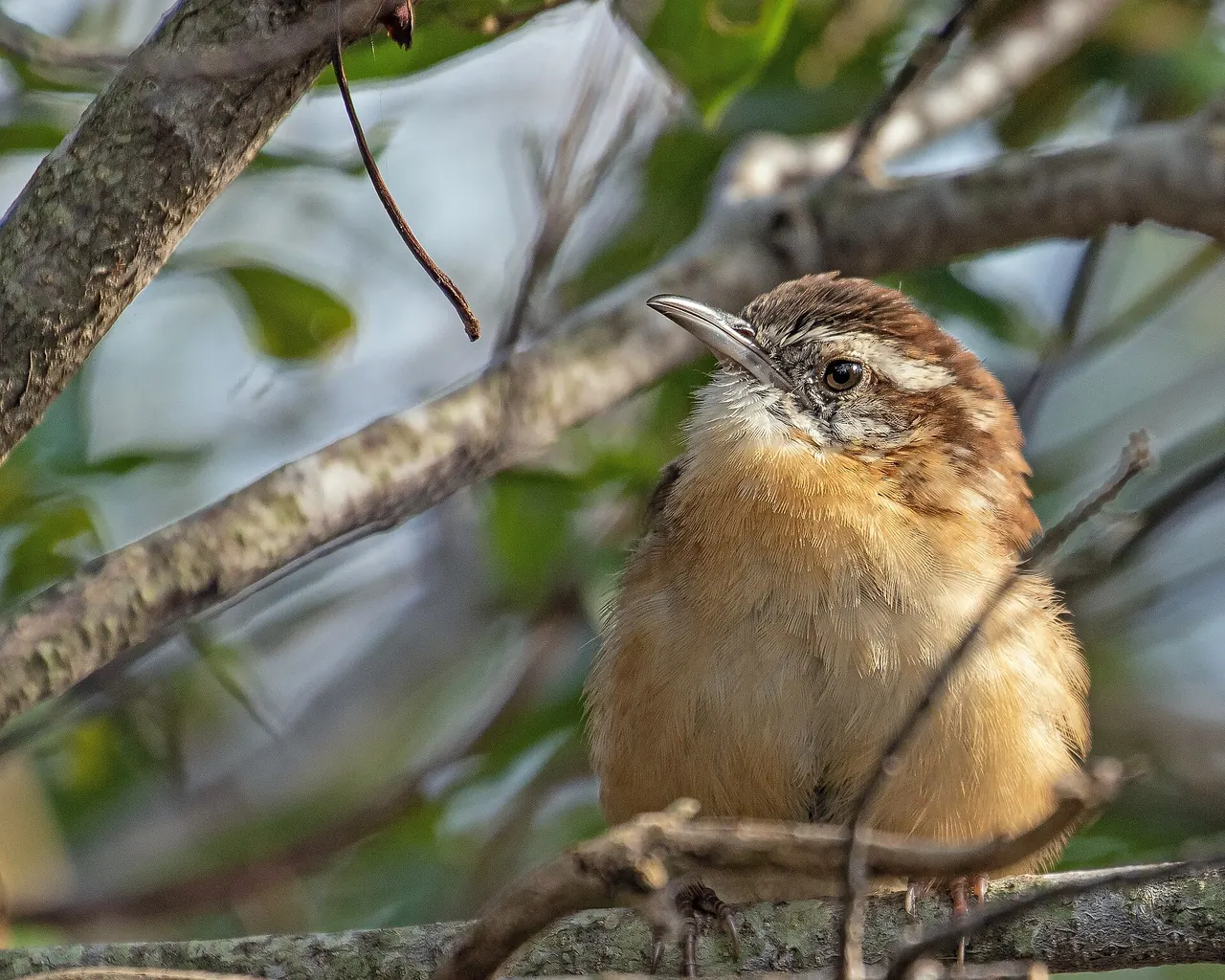
November opens with bare branches across much of the country, and feeders get busier as natural food thins out. More of the winter crowd has arrived since last week, and yard birds are looking harder for places to hide.
Northeast
Look for Carolina Wrens in much of the region outside the far north, plus Downy Woodpeckers, House Finches and Dark-eyed Juncos.
Watch for: a Sharp-shinned Hawk. It's a small, long-tailed hawk that darts through yards after songbirds. When one passes, the feeder empties in a flash.
Southeast
Look for Carolina Wrens, Northern Mockingbirds, Red-bellied Woodpeckers and House Finches.
Watch for: Ruby-crowned Kinglets here for the winter. They're tiny olive birds that flick their wings nonstop, and now and then one will take a bite of suet.
Midwest
Look for Dark-eyed Juncos, Blue Jays, Red-bellied Woodpeckers and House Finches.
Watch for: Common Redpolls in the northern Midwest. These small streaky finches with a red cap come south in some winters and not others.
Plains & Mountain
Look for American Goldfinches, White-breasted Nuthatches, Northern Flickers and, in foothill yards, Woodhouse's Scrub-Jays.
Watch for: Bohemian Waxwings in towns of the northern Plains and northern Rockies. In some winters, flocks of these crested gray birds strip fruit trees near feeders.
Southwest
Look for Gambel's Quail, White-crowned Sparrows, Northern Mockingbirds and, in oak woodland, Acorn Woodpeckers.
Watch for: Phainopeplas in low desert yards where mistletoe grows. The male is glossy black with a crest and a red eye.
Pacific
Look for Dark-eyed Juncos (the dark-hooded Oregon form), Bewick's Wrens, Northern Flickers and House Finches.
Watch for: Red-breasted Sapsuckers in wooded yards from the Northwest coast south through much of California. Look for a bright red head and rows of small holes drilled in tree bark.
This week's tip: build a brush pile
Those fall trimmings can become shelter. The Minnesota DNR suggests a small brush pile about ten feet from your feeders. That's close enough for birds to duck into, but far enough that cats can't use it to ambush them. The Maryland DNR adds that brush piles are best kept away from the house.
Try Merlin
Not sure what you're seeing? Merlin, a free app from the Cornell Lab, can help you ID a bird by photo or sound. Try Merlin
Sources
- Fall bird feeding tips, Minnesota DNR
- Creating a Wild Backyard: Brush Piles, Maryland DNR
- eBird Explore, to see what's been reported near you
- BirdCast, for this week's migration forecast
Photo: "Carolina Wren Back Bay NWR" by Mike Carlo, U.S. Fish and Wildlife Service, via Wikimedia Commons, public domain
