
Daily Brief
What's at your feeder this week: Nov 11 to Nov 17
By the Backyard Birds editors · 11 Nov 2026
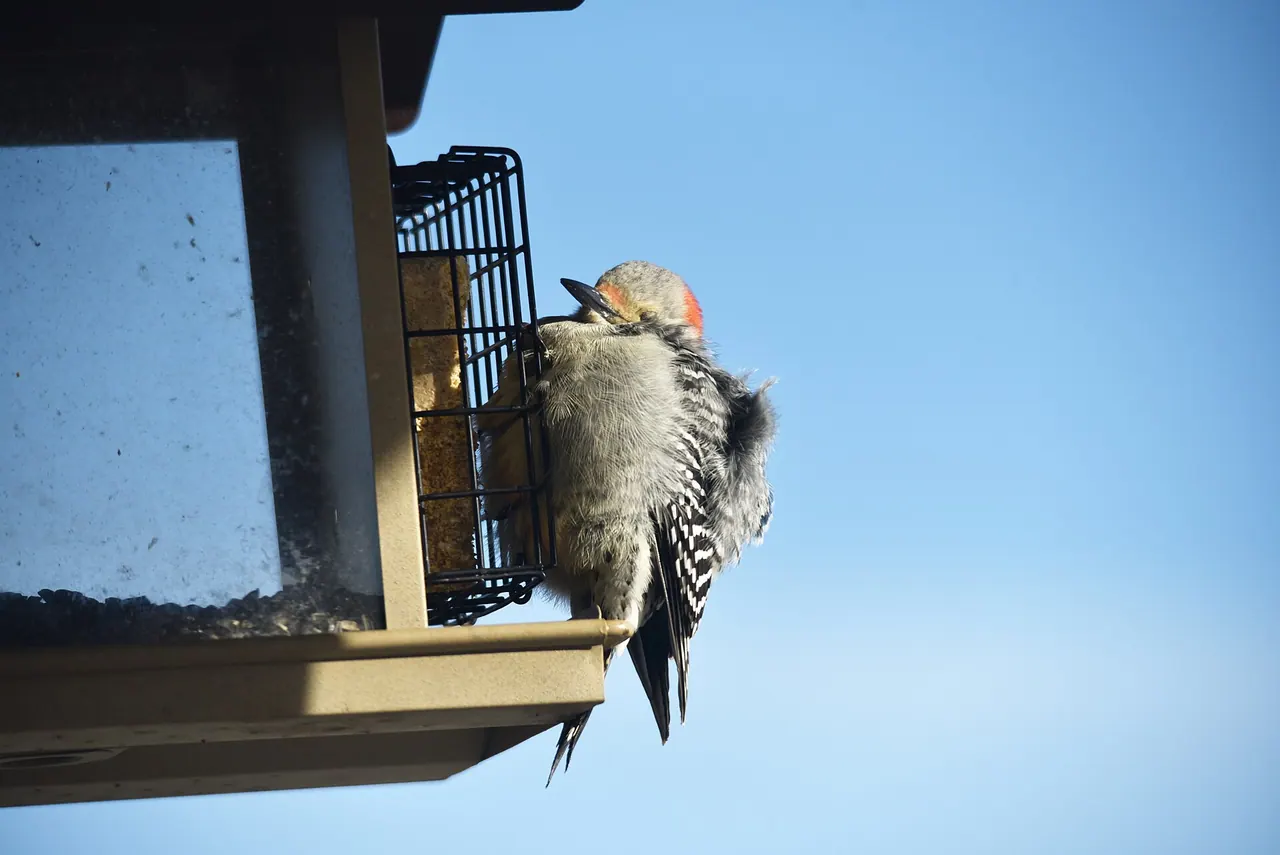
Mid-November is when winter feeding routines settle in across most of the country. More winter sparrows have reached feeders in the South and West, while northern yards are down to their hardy year-round crowd and a few wanderers.
Northeast
Look for Black-capped Chickadees, Northern Cardinals, Blue Jays and American Goldfinches in their dull winter colors.
Watch for: Pine Siskins. In some winters, when northern seed crops are poor, these small streaky finches with a flash of yellow in the wing wander south. They love nyjer.
Southeast
Look for Red-bellied Woodpeckers, Carolina Chickadees, Tufted Titmice and Northern Cardinals.
Watch for: White-throated Sparrows scratching in the leaves under feeders. Look for a striped head, a white throat patch and a small yellow spot in front of the eye.
Midwest
Look for Black-capped Chickadees, Northern Cardinals, Red-bellied Woodpeckers and American Tree Sparrows on the ground.
Watch for: Pine Grosbeaks in northern Minnesota and Wisconsin. In some winters these plump, rosy or golden-gray finches come south to sunflower feeders.
Plains & Mountain
Look for Dark-eyed Juncos, House Finches, Black-capped Chickadees and, in higher yards, Mountain Chickadees.
Watch for: Northern Flickers at the suet. These large brown woodpeckers flash a white rump patch as they fly off.
Southwest
Look for Gila Woodpeckers, Verdins, House Finches and, in higher towns, Dark-eyed Juncos.
Watch for: Pyrrhuloxias in southern Arizona and southern New Mexico. They look like gray cardinals with a red face and a stubby yellow bill.
Pacific
Look for Spotted Towhees, Song Sparrows, House Finches and Anna's Hummingbirds at nectar feeders, from Washington to California.
Watch for: Townsend's Warblers at the suet in coastal yards from the Northwest to California. Look for a small yellow bird with a dark cheek patch.
This week's tip: find the right winter spot
Take a fresh look at where your feeders sit. Minnesota DNR suggests a spot near evergreens or downwind of a building, so birds can shelter between visits. Keep feeders at least ten feet from dense cover where cats or hawks could hide.
Feeders closer to the house are easier to fill in snow. If birds start hitting your windows, moving feeders to within a foot or two of the glass helps.
Try Merlin
Not sure what you're seeing? Merlin, a free app from the Cornell Lab, can help you ID a bird by photo or sound. Try Merlin
Sources
- Winter bird feeding tips, Minnesota DNR
- Anna's Hummingbird, Washington Department of Fish and Wildlife
- eBird Explore, to see what's been reported near you
- BirdCast, for this week's migration forecast
Photo: "Red-bellied woodpecker" by Courtney Celley, U.S. Fish and Wildlife Service, via Wikimedia Commons, public domain
